In compliance with a recent U.S. Treasury (OFAC) regulatory change, TOEFL and GRE testing within Iran has been paused effective immediately. Iranian nationals may continue to test outside Iran where testing is available. Affected test takers will be contacted directly regarding cancellations and next steps. [Find out more]

The key to a great TOEFL iBT® score is preparation. However, while students do their best to prepare, some make avoidable mistakes across all four sections (Reading, Listening, Speaking, and Writing), ultimately bringing down their score.
Here are the most common mistakes and most importantly, how you can avoid them.
1) Studying general English instead of the TOEFL test
While having a strong understanding of the English language is crucial for success, it’s only one piece of the puzzle.
Many students improve their English skills by watching movies, memorizing vocabulary lists and reading articles. Although these will help you build a strong foundation, you also need to understand the TOEFL iBT test.
The test has specific question types, timing rules, and scoring criteria. Being good at English doesn’t automatically mean you’re good at TOEFL.
To avoid this mistake, combine your general learning with TOEFL-style questions. TOEFL practice tests can help you understand common questions and each section, while timing your sessions will prepare you for real test conditions.
2) Not practicing under timed conditions
During your studying, it’s important to time your test sessions. Once you understand the test structure, complete each section using a timer to simulate the actual test conditions.
This will prevent you from spending too much time on one question or section on test day, ensuring you have enough time to complete the test without rushing. This practice will also help you spot weaker sections, allowing you to tailor your revision.
3) Not understanding the Reading section
When under exam conditions, it’s easy to mis-read or misunderstand the Reading section. Before completing any answers, you want to read and re-read the question to ensure you understand what it’s asking.
The key to success starts with understanding what you’re being tested on.
4) Getting distracted in the Listening section
During the listening section you’ll hear a lecture or conversation, which will be followed by questions about the topic discussed. While the audio is playing, it’s crucial that you give it 100% of your attention. If you miss the main idea, your answers could be based on guesswork.
Top tip: Practice active notetaking during your test prep. Focus on noting down keywords and topics you hear throughout the passage that you might use in your answers. The more you practice this skill, the easier it will be to take notes on test day.
5) Memorizing speaking answers
The speaking section of your TOEFL test is designed to help you show off your English skills. Using memorized templates or pre-written answers will decrease your ability to display your skills and could result in a score decrease when examiners detect memorized responses.
Instead of memorizing an exact template, prepare ideas that you could potentially use during your Speaking section. Here, you want to focus on clarity over advanced vocabulary. Fluency and structure are more important than sounding “smart.”
6) Speaking too fast (or too quietly)
The TOEFL test is designed to give you more than enough time to complete your speaking section. Avoid rushing through your answers or speaking so quietly that you lose clarity.
Poor pronunciation or pacing can reduce comprehension, which could cause a drop in your overall score. On test day, speak slightly slower than usual and pause naturally between your ideas.
As part of your preparation record yourself and ask if your speaking sounds natural. Remember, clarity will always beat speed in the Speaking section!
7) Not having a writing structure
The TOEFL Writing section assesses your ability to create a coherent argument in response to a question. This requires organization. You want to avoid writing long paragraphs with no flow, and instead practice using a clear essay structure.
For example:
- Introduction
- 2 body paragraphs
- Conclusion
Make sure you stick to one main idea per paragraph and use connectives to link your response.
8) Ignoring grammar and small errors
If you’re looking to achieve top scores, then you need to focus on the small details. While you won’t lose marks for an occasional error, consistent grammar mistakes can cause your score to drop during your Speaking and Writing sections.
To avoid this, identify your top grammar weaknesses during your revision and work on them before the test day. On the day itself, proofread your writing if you have the time.
Consistency is more important than perfection
The biggest TOEFL mistake is preparing blindly. High scorers don’t just study more; they study smarter. Use your TOEFL prep tests to identify weaknesses, refine your test-day strategy, and understand the test timing.
The goal isn’t perfection, but consistently strong answers throughout your test. Focus on clarity and structure while practicing under exam conditions to ensure you feel your best on test day.


Copy URL to clipboard
In this article
- 1) Studying general English instead of the TOEFL test
- 2) Not practicing under timed conditions
- 3) Not understanding the Reading section
- 4) Getting distracted in the Listening section
- 5) Memorizing speaking answers
- 6) Speaking too fast (or too quietly)
- 7) Not having a writing structure
- 8) Ignoring grammar and small errors
- Consistency is more important than perfection
Related

TOEFL Test Prep and Tips
Understanding TOEFL iBT Score Displays in 2026
See FAQs about the TOEFL iBT score scale transition from 0-120 to 1-6 format and what it means for test takers and institutions.
June 11, 2026

TOEFL Test Prep and Tips
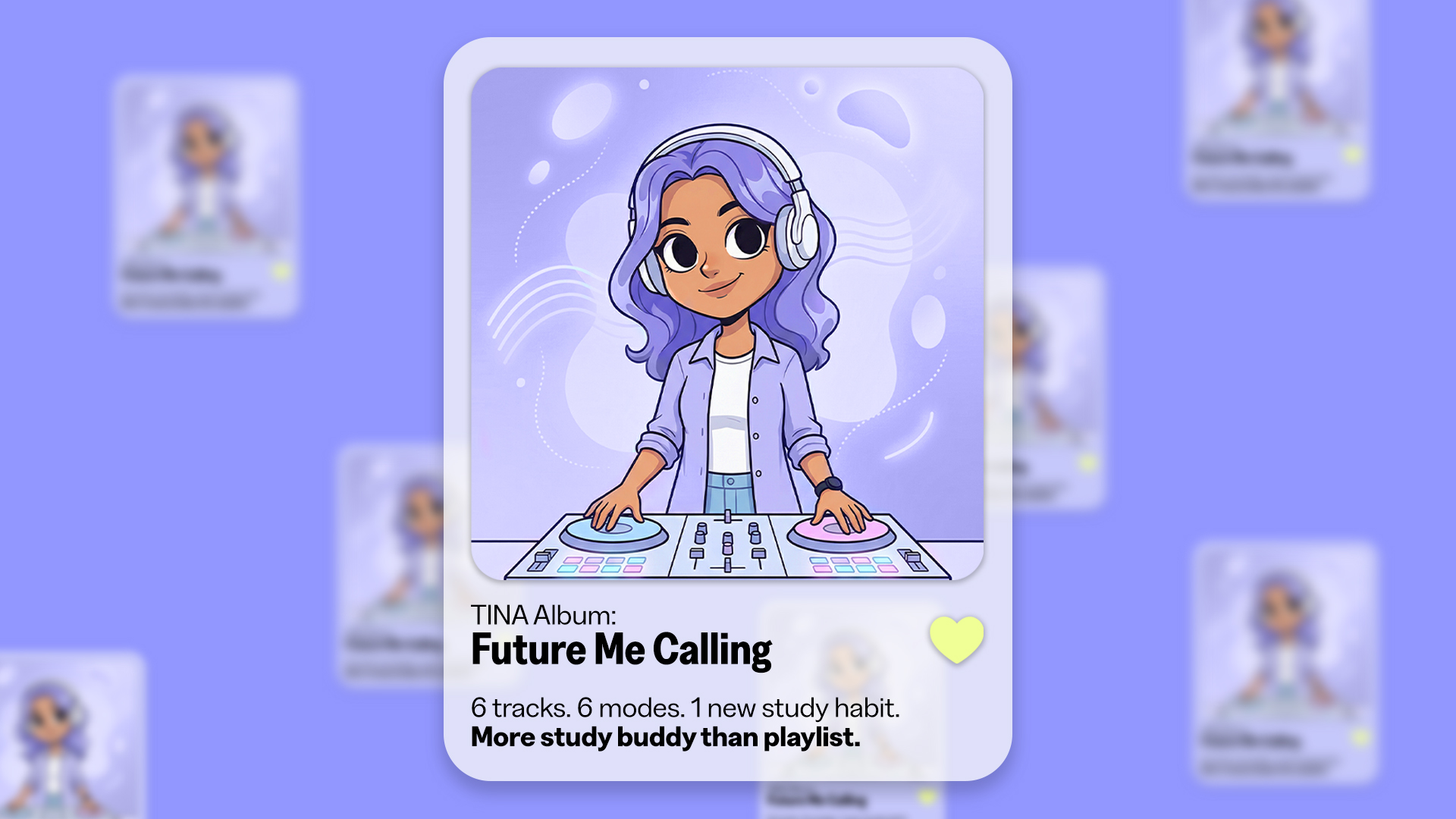
How to study with Tina’s album: A track-by-track guide
June 2, 2026
TOEFL Test Prep and Tips
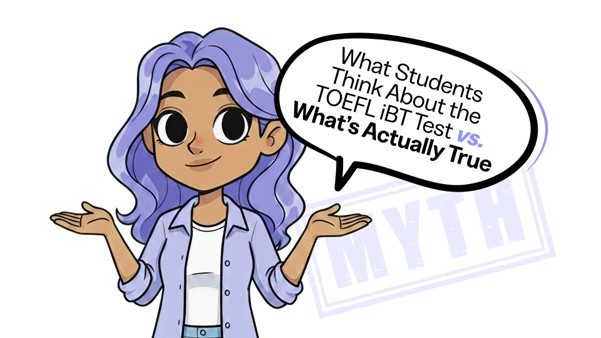
Tina’s Myth-Busters: What Students Think About the TOEFL iBT Test vs. What’s Actually True
May 6, 2026
TOEFL Test Prep and Tips
Meet Tina's Study Album: The Playlist That Works Like a Study System
Struggling to focus? Discover Tina’s science-backed study playlist designed to help you enter deep focus and stay productive during TOEFL test prep.
April 21, 2026

TOEFL Test Prep and Tips
The Ultimate 3-Month Study Plan for the TOEFL iBT® test (2026)
Prepare for the TOEFL iBT® 2026 with this complete 3-month study plan. Improve your skills, build confidence, and achieve your target score.
March 31, 2026

TOEFL Test Prep and Tips
Validity by Design: Measuring Academic English That Matters
Explore how TOEFL uses authentic academic tasks and a validity-by-design approach to measure real-world English proficiency.
February 11, 2026
TOEFL Test Prep and Tips
How TOEFL is Evolving to Serve Today’s English Learners
See how TOEFL continues to evolve the TOEFL iBT® test through research-driven innovation, adaptive testing, and modernized academic tasks.
February 6, 2026

TOEFL Test Prep and Tips
How to Reschedule Your TOEFL Exam: A Brief Guide
Learn how to reschedule your TOEFL iBT exam step by step, including deadlines, fees, refund policies, and common reasons for changing your test date.
January 28, 2026

TOEFL Test Prep and Tips
Common TOEFL iBT Mistakes You Should Avoid
Discover the most common TOEFL iBT mistakes students make before and during the test and learn practical strategies to avoid them.
January 21, 2026

TOEFL Test Prep and Tips
TOEFL Home Edition vs Test Center: Which option is best for you?
Breaking down the difference between the TOEFL Home Edition and test center experience
January 6, 2026

TOEFL Test Prep and Tips
20 Proven TOEFL Tips & Tricks to Score 100+
Achieving a top score in your TOEFL exam can open doors to many new opportunities, including admission to top universities, scholarships, and new career options.
November 11, 2025

TOEFL Test Prep and Tips
What Are The Best Tools to Use For Your TOEFL Test
Discover the best tools to prepare for the TOEFL iBT test.
October 7, 2025

TOEFL Test Prep and Tips
How to Feel Confident Going Into Your TOEFL Test
Boost your TOEFL confidence with proven tips, practice strategies, and mindset shifts to perform your best on test day.
August 27, 2025

TOEFL Test Prep and Tips
The Smart Way to Prepare for Your TOEFL Test (Without Burning Out)
Preparing for your TOEFL test? Use these study tips to get the most out of your sessions and avoid burnout.
August 12, 2025

TOEFL Test Prep and Tips
What is the best way to study for TOEFL at home?
Learn effective study strategies for the TOEFL iBT Home Edition. Discover how to create a study schedule, master each test section through targeted practice, and use resources like TOEFL TestReady to build English proficiency and boost your test day confidence.
June 11, 2025

TOEFL Test Prep and Tips
Can I Take My TOEFL Test Online?
Yes! The TOEFL iBT is offered both online, with the Home Edition, and in test centers, allowing test takers to choose where they feel most comfortable.
June 6, 2025

TOEFL Test Prep and Tips
6 Tips for Retaking the TOEFL iBT Test
If you didn’t reach your score objective the first time around, don’t panic – follow these prep tips to help get your best scores.
October 10, 2024

TOEFL Test Prep and Tips
Prepping for TOEFL: The Debate Between Preparation and Cramming
Prepping for TOEFL: The Debate Between Preparation and Cramming
October 10, 2024

TOEFL Test Prep and Tips
10 Tips for Test-taking Anxiety
Learn how to reduce test-taking anxiety and stress as you study to take your TOEFL iBT test.
June 17, 2024